One thing keeps many brand owners up at night: they paid, but they don't know if the ad really went up.
High-speed rail station campaigns run for weeks, cover multiple sites, and change creatives often. Without proof, arguments later are a headache. The industry calls "booked but not shown" empty posting, wrong posting, or missed posting. To avoid this, you need three documents after launch.
▲ A live EV-charging-station ad inside Yulin North Station. Acceptance photos must show a complete creative, correct location, and no obstruction.
1. Live photos and video: time, place, and image
Ask the publisher for on-site photos or video, preferably with GPS location and a time-stamped watermark. The images must show three things: the creative is complete, the position is correct, and there is no obstruction nearby.
Don't accept a distant shot. The brand name, frame edges, and neighboring positions should be visible, so no one can pass off someone else's slot as yours.
In-house photos have limited credibility. Third-party monitoring firms cross-check with GPS, AI recognition, and manual inspections across airports and rail stations.
The report usually includes live rate, image-quality score, position accuracy, and abnormal records. Acceptance is typically scored on three items: live rate, image quality, and position accuracy. If the score is below 95%, you can ask for a make-good or handle it per the contract.
Some providers promise "data verifiable within one minute." What they're really selling is the willingness to be checked. In this business, that honesty is worth more than the equipment.
3. Broadcast schedule and takedown proof: confirm the full cycle
For dynamic media like LED screens and digital panels, a photo isn't enough. Demand a broadcast schedule: how many plays per day, how many seconds each, which time slots, and the rotation cycle.
After the campaign, you also need takedown photos proving the ad was removed on the agreed date and wasn't replaced early or left up late. Lightbox campaigns likewise need confirmed start and end dates so no one else uses your slot.
4. How to measure results? Look at three layers
Exposure layer: multiply official station passenger flow by a visibility coefficient to estimate impressions. Yulin North handles around five to six thousand passengers a day; travelers stay in the station over 30 minutes. You can roughly calculate the impressions for a single LED screen.
Behavior layer: compare local brand search volume, store foot traffic, map navigation requests, and QR-code scans before and after the campaign. These are real actions. They beat "I think it worked."
Awareness layer: run a small-sample survey on prompted brand awareness and favorability. This suits clients with enough budget and a long-term brand-building goal.
▲ Wide view of Yulin North waiting hall. For dynamic media, also verify the broadcast schedule and takedown proof to confirm the full cycle was executed.
5. Put data obligations in the contract first
Before signing, make the contract clear on a few points: how soon after launch will photos or video be provided? When does the third-party report come out? What live rate triggers a make-good or refund? How is data fraud handled?
Write these down. Verbal promises don't count; paper does.
Conclusion: collect the proof, keep the upper hand
Booking a high-speed rail station ad isn't "buy it and forget it." Whether it went live can't be decided by gut feeling.
Collect all three documents: live photos, a third-party monitoring report, and the broadcast schedule plus takedown proof. Then the brand owner keeps control, and the publisher has a clear execution standard. Both sides sleep better.
— Guangxi Lianping Media, exclusive operator of Nanzhu High-Speed Rail Nanyu section ads | Li Hongxin 18878774848 (WeChat same number)

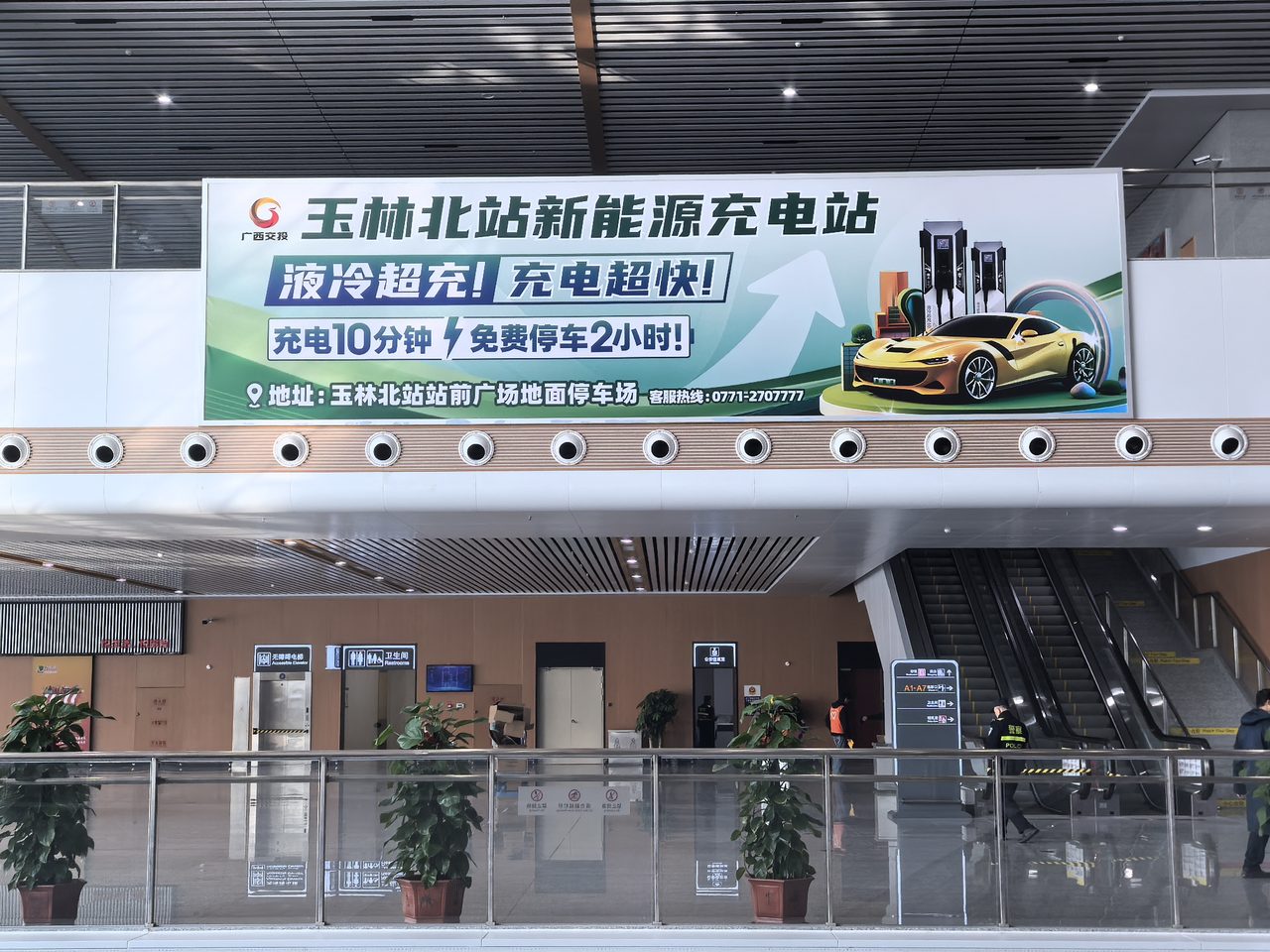 ▲ 玉林北站站内实际已上刊的充电站广告。上刊验收时,照片必须能看清画面完整、位置正确、无遮挡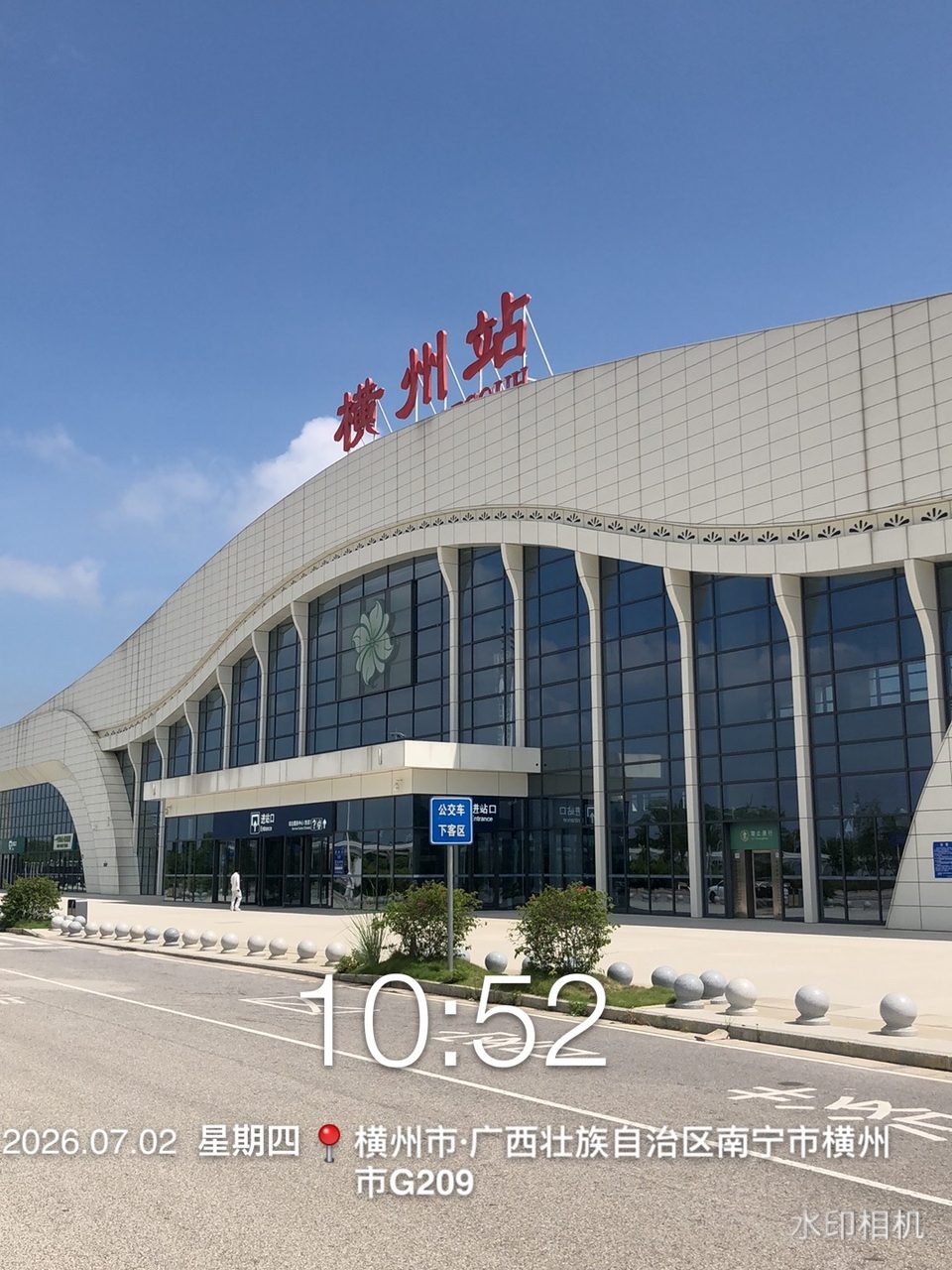
 ▲ 玉林北站候车厅全景。动态媒体投放后,还要核对播出排期表与下刊凭证,确认整个周期完整执行