广西本地老板问广告预算怎么花,经常卡在两个选项:高速路边的T牌,还是高铁站的灯箱和LED。
高速路看起来车多。每天无数辆车从牌子下面呼啸而过,流量数字漂亮。高铁站也不差,尤其南玉高铁开通后,南宁到玉林只要48分钟,玉林北站每天进出几千人。
但两个场景根本不是一回事。一个在强迫你分心开车,一个在让你安心等车。
一、时间差:10秒和40分钟
高速T牌最大的硬伤是车速。普通路段限速80到120公里,乘客侧目看一眼,大约1到3秒。脑子还没反应过来,牌子已经甩到身后。
高铁站正好相反。旅客进站、安检、候车、检票,整个流程平均停留30到40分钟。期间会多次经过LED大屏、刷屏机、通道灯箱。同一旅客能看到三四次。
哈尔滨哈西高铁站的第三方实测给过一个对比:高铁站广告的受众记忆留存率,比户外单立柱高40%。原因很简单,人在高铁站的注意力分散程度只有户外场景的30%。
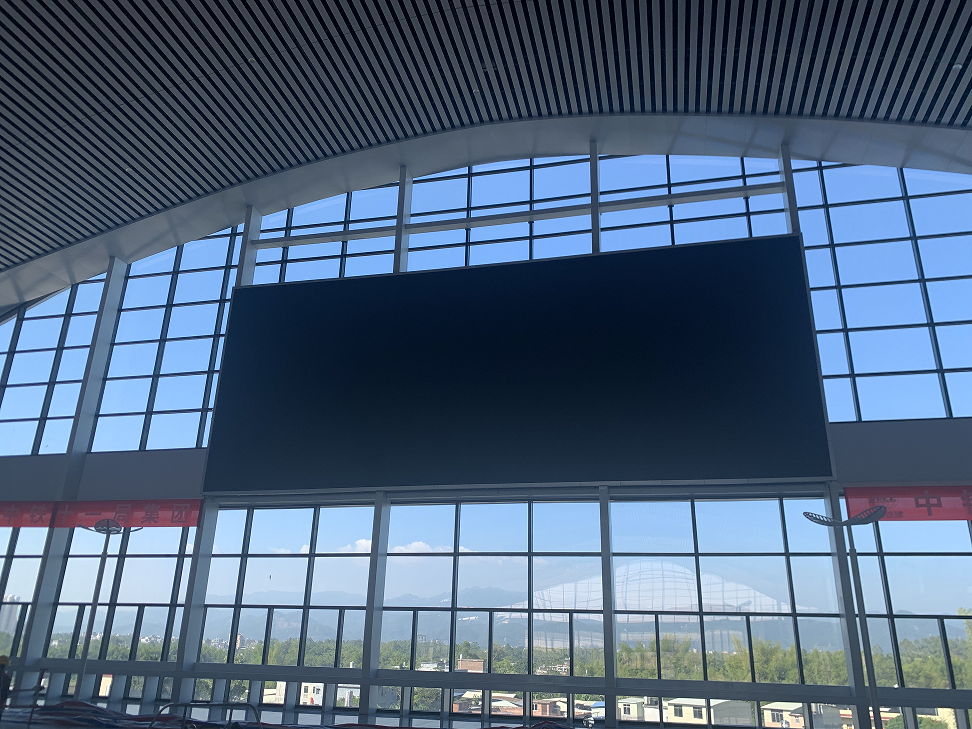 ▲ 玉林北站候车厅LED大屏位于旅客正面视野,旅客落座后平均停留30分钟以上
一句话:高速大牌买的是“扫一眼”,高铁站买的是“坐下来看”。
二、环境差:遮挡和必经
高速T牌怕树、怕楼、怕前车遮挡。夏天枝叶茂盛,一块牌子能被挡掉三分之一;雨天、雾天、夜间可视性更差。
高铁站广告没有这个问题。LED大屏正对座椅区,刷屏机卡在进站、安检、检票动线上,灯箱挂在进出站通道两侧。这些是旅客必须走的路,绕不开。
还有一点不能忽略:站内灯箱24小时亮着。高速T牌晚上靠外部照明,亮度、角度、天气都会影响效果。
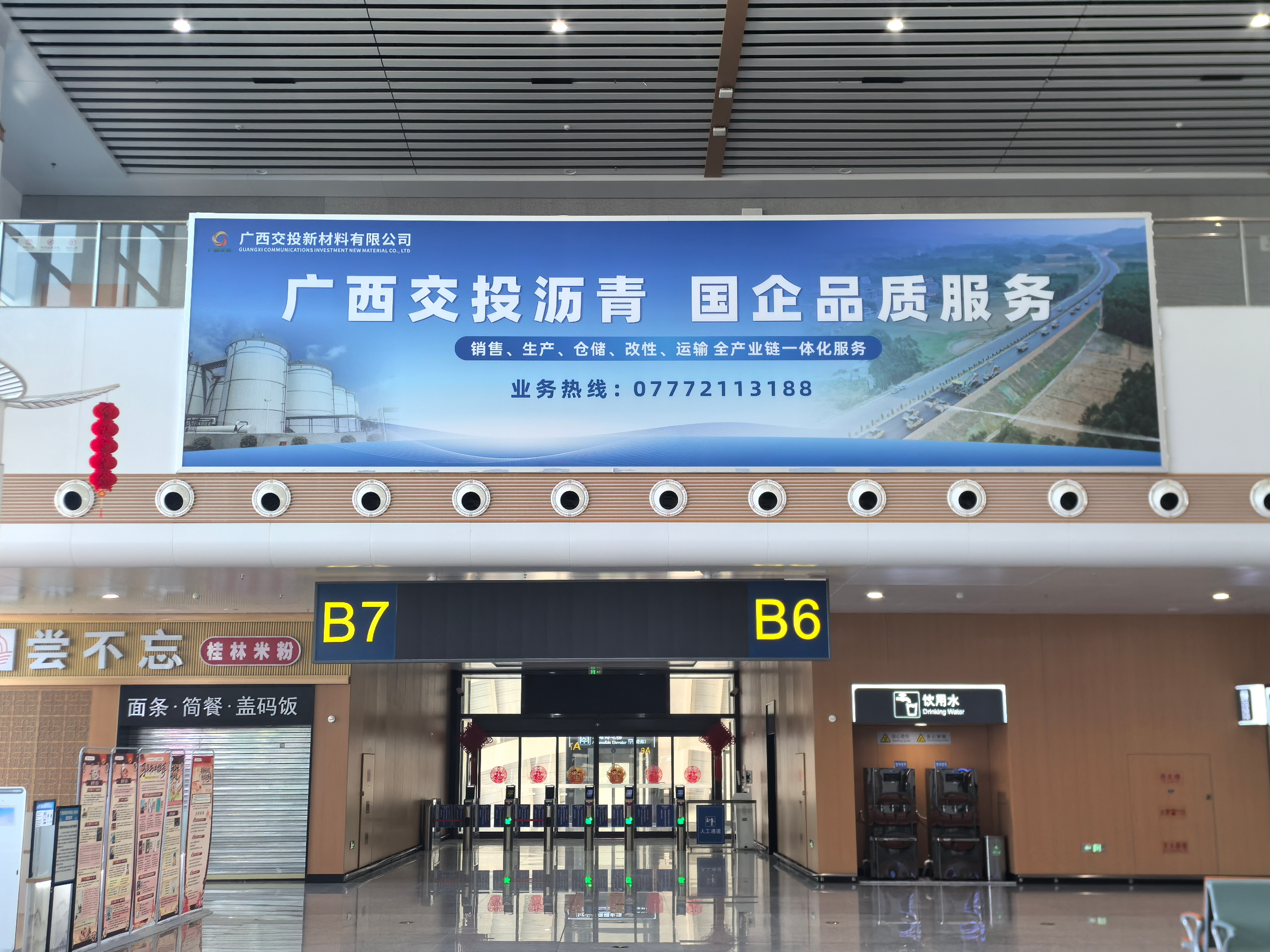 ▲ 玉林北站检票口上方墙面广告位,正对旅客视线,无遮挡、24小时亮灯
三、人群差:赶路的人和等人的人
高速公路上,司机在开车,乘客在聊天或睡觉。所有人注意力都在路上,广告只是背景。
高铁站不一样。旅客过了安检,进入“等待模式”。商务客处理邮件的间隙抬头看广告,探亲客刷手机的间隙扫一眼屏幕,旅游客排队检票时盯着墙面灯箱发呆。
这个状态下的人,对品牌信息接受度更高。他们不是被动路过,而是主动寻找信息打发时间。
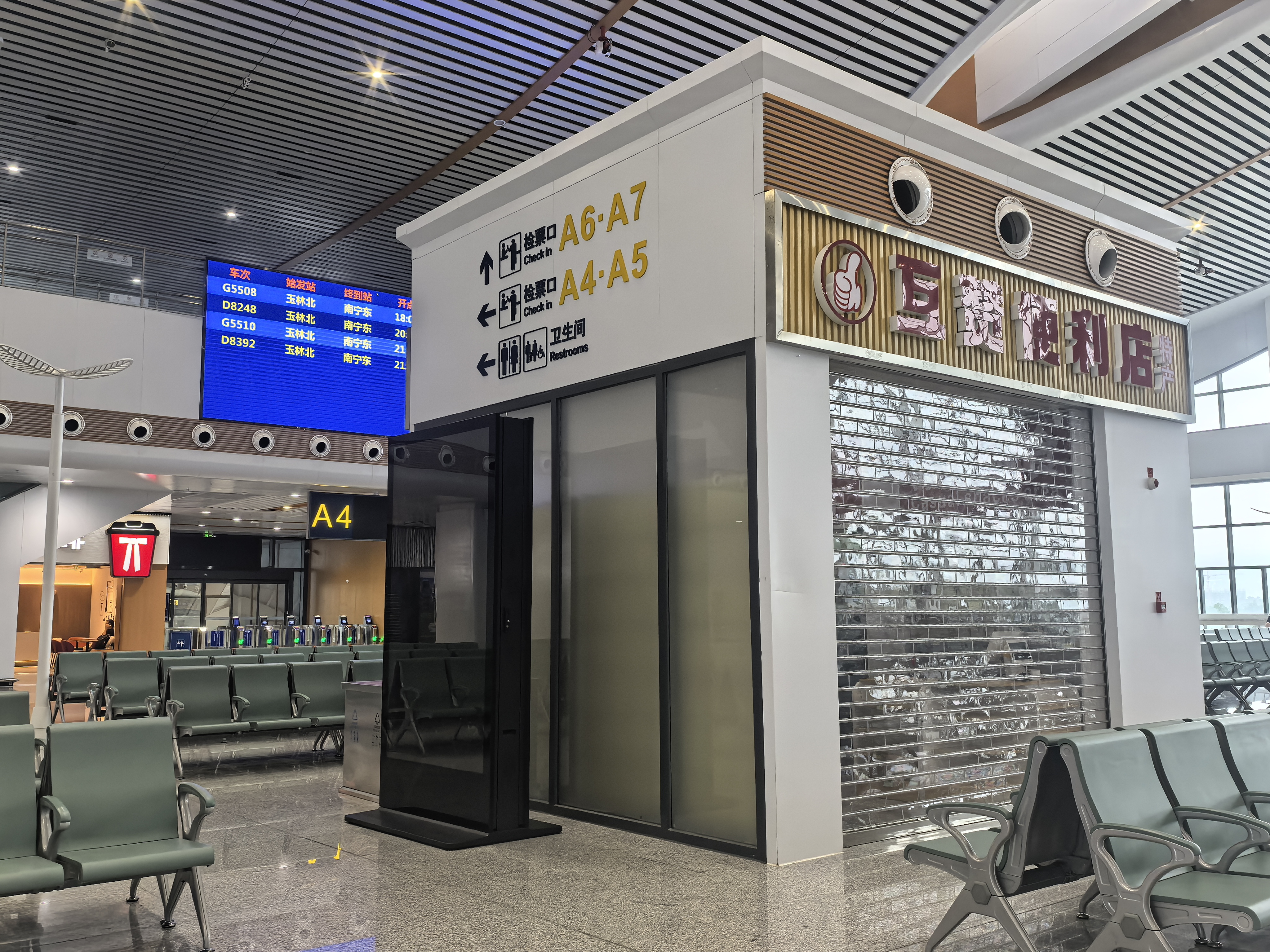 ▲ 候车厅刷屏机分布在安检、候车、检票动线上,可高频次触达同一批旅客
四、算账:不要只比总价,要比“有效曝光”
高速T牌报价往往按路段打包,按季度或半年起签,看起来总价不高,但很难说清楚覆盖了多少人、被看到几次。
高铁站广告按点位、按周期报价,刊例清晰。更重要的是,高铁广告的CPM在户外媒体里属于较低的一类。同样花10万,高铁站的曝光次数更可控,人群更精准,重复曝光次数更多。
还有时间红利。玉林北站现在是断头路站,日均五六千人次。年底玉岑段通车后,客流大概率翻倍。现在签灯箱和刷屏机,价格还是按当前客流计算。等于用今年的价,占明年的位置。
五、南玉高铁三站,预算少的先占哪一站?
如果预算只能选一个站,优先玉林北站。它是南玉段客流最大的站,也是桂东南的门户站,进出站必经。本地大众品牌、餐饮、地产、汽车在这里打,覆盖面最广。
横州站和兴业南站更适合特定行业。横州茉莉花占全国产量八成,中秋前后是礼品采购高峰,农业品牌和食品礼盒在这里打很准。兴业南站客商多,钙基新材料、健康食品、建材企业的B端客户集中,适合做行业存在感。
预算够的话,三站联动效果最好。玉林北站打声量,横州站和兴业南站打纵深。同一批返乡或出差的人,去时看一次,回来看一次,记忆自然加深。
结语
高速大牌不是没用。它适合打知名度,让过路的人知道“有这么个品牌”。
但如果你想让目标客户仔细看、反复看、甚至拍照发给朋友,高铁站广告更值。
预算有限的话,我的建议:少做几块高速大牌,拿一部分预算换到玉林北站的灯箱和刷屏机。车多人少看,不如人少人真看。
—— 广西联屏传媒,南珠高铁南玉段广告独家运营方 | 李洪鑫 18878774848(微信同号)
English Version
A lot of Guangxi business owners ask the same question: with limited outdoor ad budget, should I buy a highway T-board or a rail station lightbox?
Highways look like they have more traffic. Every day, cars speed past the boards. The numbers sound big. Rail stations look busy too, especially after the Nan-Yu high-speed rail opened. Nanning to Yulin is now 48 minutes.
But the two scenes are completely different. One forces drivers to look away from the road. The other lets travelers relax while they wait.
1. Time: 10 seconds vs. 40 minutes
The biggest weakness of highway billboards is speed. On most highway sections, the limit is 80 to 120 kilometers per hour. A passenger glances at a board for about 1 to 3 seconds. Before the brain registers the message, the board is gone.
Rail stations are the opposite. Travelers pass security, wait, line up, and board. The whole process averages 30 to 40 minutes. During that time they pass LED screens, digital panels, and corridor lightboxes multiple times. The same traveler can see the same ad three or four times.
Third-party testing at Harbin West Station gave a clear comparison: rail station ads deliver about 40% higher memory retention than standalone outdoor billboards. The reason is simple. Travelers in a station are far less distracted than people outside; attention dispersion is roughly 30% of outdoor levels.
▲ The LED screen in Yulin North Station's waiting hall sits directly in front of travelers, who stay for more than 30 minutes on average.
In short, highway billboards buy a glance. Rail station ads buy focused attention.
2. Environment: blocked vs. unavoidable
Highway boards suffer from trees, buildings, and the car in front. In summer, leaves can cover a third of the board. Rain, fog, and night all reduce visibility.
Station ads do not have this problem. The LED screen faces the seating area. Digital panels sit on the route through security, waiting, and ticket checks. Lightboxes line the entry and exit corridors. These are paths travelers cannot avoid.
Another point many people miss: station lightboxes stay lit 24 hours a day. Highway boards rely on external lighting, and brightness, angle, and weather all affect the result.
▲ A wall billboard above the ticket gates in Yulin North Station faces travelers directly, with no blocking and all-day lighting.
3. Audience: people driving vs. people waiting
On the highway, the driver is focused on the road. Passengers talk or sleep. Everyone is passing through; the ad is just background.
Inside a station, travelers enter "waiting mode" after security. Business travelers look up between emails. Family visitors glance at screens while they scroll on their phones. Tourists stare at wall lightboxes while they queue.
These people are open to brand messages. They are not passive passers-by. They are actively looking for something to fill the wait.
▲ Digital panels are placed along security, waiting, and ticket-check routes, so the same travelers see them several times.
4. Budget: compare effective exposure, not just total price
Highway board prices are often bundled by road section, usually with a minimum of one quarter or half a year. The total price looks low, but it is hard to know exactly how many people saw it and how many times.
Rail station ads quote by site and by period. The rate card is clear. What matters more, CPM is among the lowest in outdoor media. For the same 100,000 yuan, rail stations deliver more controllable impressions, a more precise audience, and more repeat exposure.
There is also the timing advantage. Yulin North is currently a stub-end station with around five to six thousand passengers a day. The Yulin-Cenxi section is expected to open by the end of this year, and traffic will likely double or triple. If you lock a lightbox or digital panel now, you pay today's price for tomorrow's higher traffic.
5. Which Nan-Yu station should a small budget lock first?
If you can only choose one station, prioritize Yulin North. It has the largest flow on the Nan-Yu section and is the gateway to southeastern Guangxi. Every passenger must pass through. Local mass-market brands, restaurants, real estate, and autos fit best here.
Hengzhou and Xingye South suit specific industries. Hengzhou produces 80% of the nation's jasmine. Around Mid-Autumn, gift buyers converge there, so agricultural brands and food gift boxes hit the mark. Xingye South draws more B2B visitors in calcium-based materials, health food, and building materials, making it good for industry visibility.
If the budget allows, run all three stations together. Yulin North builds noise; Hengzhou and Xingye South add depth. The same returning or business traveler sees the brand on the way out and again on the way back, reinforcing memory naturally.
Conclusion
Highway billboards are not useless. They work for name recognition, letting passing drivers know a brand exists.
But if you want your target customer to look closely, see the ad repeatedly, and maybe even take a photo to send to a friend, rail station ads are the better buy.
If the budget is tight, my advice is to reduce the number of highway boards and move part of the money to Yulin North Station lightboxes and digital panels. More cars with fewer real viewers is worse than fewer people who actually see the ad.
— Guangxi Lianping Media, exclusive operator of Nanzhu High-Speed Rail Nanyu section ads | Li Hongxin 18878774848 (WeChat same number)