“招工人比找订单难。没工人,有订单也接不了。”福绵区新桥镇志华服装加工厂负责人黎华这句话,在玉林制造业圈子里不是夸张。
福绵被称为“世界裤都”,年产牛仔服装12亿件(套),集聚3000多家牛仔纺织服装经营主体,吸纳13万产业工人,其中5万名“福绵裁缝”撑起了这个产业。订单越多,用工缺口越大。2026年开年,福绵区6家核心服装企业用工需求约1400人,汉光科技集团小家电板块用工需求约600人。截至6月9日,福绵区已为各类重点企业招录新员工5233人,但“招不够”的状态一直持续。
玉林的用工缺口,不是没人,而是“对的人”大多在外地。
一、玉工在外地打工,回玉林时才会认真看工作
玉林是广西劳务输出大市,大量劳动力长期在珠三角务工。福绵、北流、容县、陆川、博白的人,很多在佛山、广州、东莞的制衣厂、电子厂、家具厂上班。春节、清明、中秋、国庆,是他们集中返乡的节点。
2026年一季度,玉林全市累计吸引10.19万名玉工回玉就业创业,农村劳动力外出务工新增2.8万人。这组数据的另一面是:还有大量熟练工人在广东,他们想回来,但不知道家里有什么岗位、工资能不能接上、企业靠不靠谱。
传统招聘网站解决这个问题效果一般。BOSS直聘、智联招聘的核心用户是白领和大学生,对35岁以上的缝纫工、机修工、质检员、包装工覆盖有限。乡镇招工靠熟人介绍,信息传播慢,匹配也慢。企业去村里贴招工海报,风吹日晒,看到的人没几个。
高铁站不一样。玉林北站是南玉高铁的门户站,南宁到玉林48分钟,年底玉岑段开通后还将接入更大路网。返乡玉工出站时,手里提着行李,脑子里想的正是“今年还要不要出去打工”。这时候看到一则招聘广告,效果远超线上信息流。
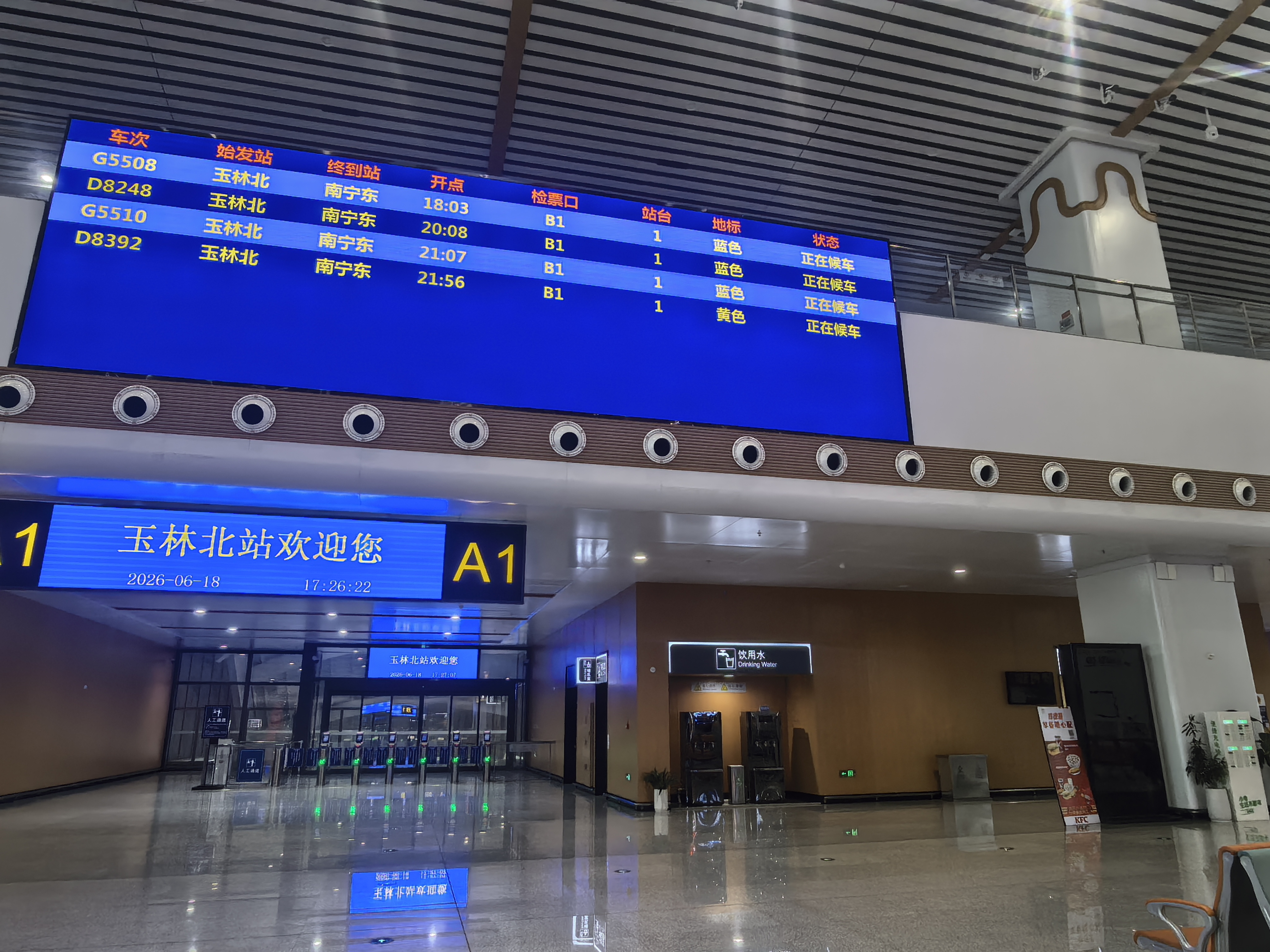 ▲ 玉林北站候车厅出发信息屏,南玉高铁日均开行多趟列车,是玉工返乡返岗的主要通道
二、高铁站招聘广告,打的不是“路过的人”,是“正在做决定的人”
高铁站广告的逻辑和招聘网站完全不同。招聘网站是“人找岗位”,高铁站广告是“岗位找人”。
在线上,求职者要专门打开APP、搜关键词、筛选条件,才能看到你的岗位。这个过程中,他已经被无数信息分散注意力。在高铁站,旅客进站后平均停留30到40分钟,手机信号不一定好,抬头看屏幕和灯箱的时间反而更多。你的招聘广告就挂在他必经的动线上,他想不看都难。
更重要的是场景。一个人在招聘网站上刷岗位时,情绪是冷静的、比较的、防备的。一个从广东回来的玉工,刚下高铁,踏上家乡土地,看到“回家做裁缝,月薪4000+,五险+带薪假”——情绪是热的、信任的、亲近的。招聘广告在这个时候出现,转化率天然更高。
对制造业企业来说,这一招尤其值钱。福绵牛仔、陆川铁锅、博白芒编、容县电子,大量岗位不需要大学文凭,但需要熟练技能。这些工人不在招聘网站上活跃,却在春运、暑运、节假日的高铁站里大量流动。
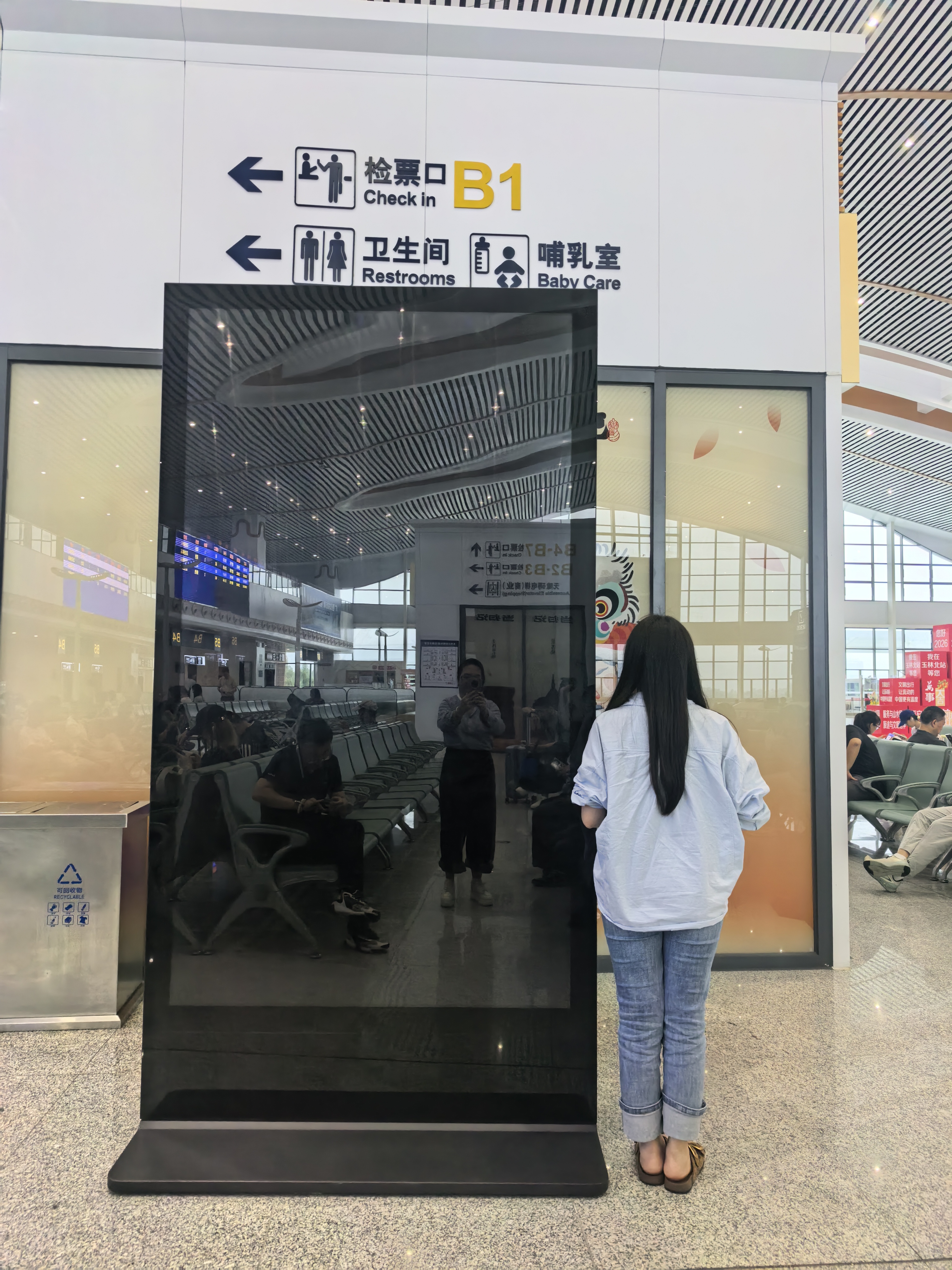 ▲ 玉林北站候车厅立式刷屏机,适合轮播企业招聘岗位、福利待遇和报名二维码
三、招聘广告上高铁站,内容要比招聘网站更直接
很多企业的招聘海报做不好,不是因为设计差,是因为信息太模糊。“诚聘英才”“高薪诚聘”“广阔发展空间”这种话,在高铁站没人看。
高铁站招聘广告要长得像“老乡贴出的告示”,而不是“HR写的岗位说明书”。要点就几个:什么工种、多少钱、包不包住、有没有社保、工作地点在哪、怎么报名。最好配一张车间实景,让返乡工人一眼就知道自己进去干什么活。
福绵一家服装厂可以这样写:“招熟手缝纫工50名,计件月薪4000-7000元,包住、餐补、五险,福绵区新桥镇,扫码报名,3天内安排面试。”不用修饰词,信息全,信任感就有了。
汉光科技这类小家电企业可以写:“招组装工、质检员、仓管员,月休4天,带薪培训,玉林福绵,回家上班不用去广东。”
二维码必须放。扫码直接进报名页或加企业招聘微信,别把链路做长。高铁站广告的强项是“一眼看到”,弱点是“停留时间短”,所以下一步动作要足够简单。
四、和政府招聘行动配合,效果会翻倍
2026年以来,玉林各级政府在密集做一件事:把玉商玉工引回来。福绵区已举办各类招聘活动19场,线上直播带岗7场;1月下旬的新春招聘会吸引3000余人到场,线上直播间数万网民围观。玉林全市一季度开展线上线下及乡镇巡回招聘活动482场,服务企业0.53万家次,达成就业意向2.32万人。
高铁站广告可以成为这些线下招聘会的“前置触达”。政府活动把人聚到招聘会现场,高铁站广告提前15到30天把信息铺到返乡动线上,让目标人群还没到招聘会就已经知道有哪些岗位。
更实际的做法是:企业在高铁站灯箱或刷屏机上发布招聘广告,同时把求职者引导到“春风行动”招聘会、人社部门组织的“点对点”送工活动。线上线下打通,招聘效率远高于单一渠道。
结语
对玉林制造企业来说,订单从来不是最大的问题,产能才是。产能的瓶颈,又卡在工人。
把招聘广告打进高铁站,不是追新潮,是解决一个老问题:怎么让在外面打工的玉林人,回家之前就知道家里有机会。
南玉高铁每天跑20多趟车,年底玉岑段一通,客流还会涨。对招工难的企业来说,这趟车拉回来的不只是旅客,是还没被你招到的工人。
—— 广西联屏传媒,南珠高铁南玉段广告独家运营方 | 李洪鑫 18878774848(微信同号)
English Version
"Hiring workers is harder than finding orders. Without workers, you cannot take orders." Li Hua, owner of Zhihua Garment Factory in Xin'qiao, Fumian, is not exaggerating.
Fumian is known as the "world's pants capital." It produces 1.2 billion pieces of denim clothing per year, hosts more than 3,000 denim-related businesses, and employs 130,000 industrial workers, including 50,000 "Fumian tailors." The more orders come in, the bigger the labor gap becomes. At the start of 2026, six core garment enterprises in Fumian needed about 1,400 workers. Hanguang Technology's small appliance division needed about 600. By June 9, Fumian had helped companies hire 5,233 new workers, but the shortage continues.
The gap is not a lack of people. It is that the right people are working elsewhere.
1. Yulin workers are in Guangdong; they only look for local jobs when they come home
Yulin is a major labor-export region in Guangxi. Many workers from Fumian, Beiliu, Rongxian, Luchuan, and Bobai spend years in garment, electronics, and furniture factories in Foshan, Guangzhou, and Dongguan. They return during Spring Festival, Qingming, Mid-Autumn, and National Day.
In Q1 2026, Yulin attracted 101,900 Yulin workers back to start businesses or take jobs, while 28,000 rural workers left for jobs outside. The other side of that number: many skilled workers are still in Guangdong. They want to return, but they do not know what jobs are available, whether the pay matches, or whether the companies are reliable.
General job sites do not reach them well. Platforms like BOSS Zhipin and Zhaopin mainly serve white-collar workers and graduates. They cover few sewers over 35, machine repairers, quality inspectors, or packers. Village hiring depends on word of mouth, which is slow. Posters on village walls fade in the rain and reach almost no one.
A high-speed rail station is different. Yulin North is the gateway station on the Nan-Yu high-speed rail. The 48-minute ride from Nanning will soon connect to a wider network when the Yulin-Cenxi section opens. When returning workers step off the train, luggage in hand, they are asking themselves whether they should go back to Guangdong. A job ad at that moment works far better than an online feed.
▲ The departure screen in Yulin North Station's waiting hall. Multiple Nan-Yu trains run daily, the main channel for Yulin workers returning from the Pearl River Delta.
2. Rail station job ads reach people who are making a decision
The logic of rail station job ads is different from job sites. Job sites wait for people to search. Rail station ads put the job in front of people.
Online, a job seeker opens an app, searches a keyword, and filters results, already distracted. In a station, travelers wait 30 to 40 minutes on average. Phone signal may be weak, so they look up at screens and lightboxes. Your ad sits on their route; they cannot avoid it.
Context matters more. On a job site, the mood is cold, comparative, defensive. A worker returning from Guangdong steps onto hometown soil and sees "Come home and sew. Monthly pay 4,000+. Social insurance. Paid leave." The mood is warm, trusting, familiar. Conversion is naturally higher.
For manufacturers, this is especially valuable. Fumian denim, Luchuan ironware, Bobai woven crafts, and Rongxian electronics need skilled hands more than degrees. These workers are not active on job sites, but they move through stations during peak travel seasons.
▲ A vertical digital screen in Yulin North Station's waiting hall, suitable for rotating job posts, benefits, and QR-code applications.
3. Keep the copy direct
Many factory job posters fail because the message is vague. Phrases like "Join our elite team" or "Competitive salary" get ignored.
A rail station job ad should read like a notice from a neighbor, not an HR job description. State the trade, the pay, whether accommodation and meals are included, social insurance, location, and how to apply. Add a real workshop photo so workers know what they will do.
A Fumian garment factory could write: "Hiring 50 experienced sewers. Piece-rate monthly pay 4,000-7,000 RMB. Accommodation, meal subsidy, social insurance. Xin'qiao, Fumian. Scan to apply. Interview within 3 days."
A small appliance firm could write: "Hiring assemblers, quality inspectors, warehouse staff. Four days off per month. Paid training. Fumian, Yulin. Work at home instead of going to Guangdong."
Always include a QR code that leads to an application page or a recruiter's WeChat. The strength of station ads is the glance; the weakness is short dwell time. The next step must be simple.
4. Pair with government job fairs
Since 2026, Yulin governments have been running events to bring Yulin workers home. Fumian held 19 recruitment events and 7 live-streamed job fairs. A January job fair drew more than 3,000 people, with tens of thousands online. Citywide, Yulin ran 482 online, offline, and township recruitment events in Q1, serving 5,300 enterprise visits and producing 23,200 intended matches.
Rail station ads can act as the front end of these fairs. Government events gather people at the fair; station ads spread the word 15 to 30 days earlier along the return route, so target workers already know the openings before they arrive.
The practical move: run a station lightbox or screen ad and direct applicants to the "Spring Breeze Action" job fair or the human-resources bureau's point-to-point worker transport. Combining online and offline channels works better than either alone.
Conclusion
For Yulin manufacturers, orders are rarely the biggest problem. Capacity is. And capacity is limited by workers.
Putting job ads in high-speed rail stations is not a trend. It solves an old problem: how to let Yulin workers in Guangdong know there is opportunity at home before they leave again.
The Nan-Yu line runs more than 20 trains a day. After the Yulin-Cenxi section opens, traffic will rise. For companies struggling to hire, those trains bring back more than travelers. They bring workers you have not hired yet.
— Guangxi Lianping Media, exclusive operator of Nanzhu High-Speed Rail Nanyu section ads | Li Hongxin 18878774848 (WeChat same number)