Many bosses think about station ads for the first time and stall at step one: who to call, what it costs, where the screen is, whether the money makes any noise. This piece breaks the process down, no roundabouts.
1. Before you call, answer three questions
Do not open with "how much for one screen." First decide: are your customers leaving or arriving? Leaving passengers rush; arriving ones relax and will scan local info. Do you want them to remember the brand, or scan a code for a coupon to your store? How many weeks can your budget cover? Settle these three and the rest goes twice as fast.
Example: a local scenic spot chasing arriving passengers picks the light box facing the exit, where people plan their trip. A gift box picks the waiting-hall digital screen, where travelers buy souvenirs. A store chasing foot traffic puts its name and one line on a light box, with a code in the corner.
2. One operator runs the whole line
Station ad space is owned by the railway's ad arm or an exclusive agent that holds a whole station. The Nan-Yu section of the Nan-Zhu high-speed line (Yulin North, Xingye South, Hengzhou) is run exclusively by Lianping Media. One contact covers all three stations; you do not chase three separate desks.
Bundling gives you cross-station rates and lets one creative go live on all three at once, so the brand shows up down the whole line, and costs about 20-30% less than buying spots one by one.
3. The list price is negotiable
Real rates commonly run 30% to 50% below the published rate card. At Shenzhen North a standard light box starts around 28k for seven days, 200k a month, with another 10% off for a multi-spot package. Yulin North now moves 5,000-6,000 a day, priced on that volume, far cheaper than Shenzhen. But once the Yu-Cen section opens at the end of 2026 and the full line reaches the Greater Bay Area in 2027, daily volume heads to 15,000-20,000, and prices will not stay this low. Get in now, you pay pre-opening rates.
Lianping's three-station bundle (project HG2026-FW112) holds 97 light boxes, 152 sqm of LED (P2.5), and 14 ad machines; the package beats single buys by 20-30%.
4. Two clauses your contract must pin down
Location, time slot, fee, payment, go-live date, acceptance standard, all in writing. Two matter most.
Proof of posting. After launch the media side issues a report proving your creative is actually up, at which spot, for how long. That report is your receipt, not a formality. I have seen bosses who, after paying, could not say which screen carried their ad, left with only the vendor's word and nothing to show at year-end.
Compliance review. China Railway reviews ad content officially; absolute claims and banned words fail. Get the creative cleared before production, or you reprint and miss your slot.
5. Do not book one week, do not oversize the code
Frequency breaks the memory threshold. A digital screen loops dozens of times a day; a month beats a week. Yulin North travelers wait over 30 minutes in a closed, low-distraction space, but one glance will not stick.
The code is your traffic tap; keep it about 5% of the frame. Too big and it steals the hero; too small and no one scans. And do not trust any "guaranteed foot traffic" pitch. Station ads build recognition and trust over time, not same-day sales.
6. Live in about a week
Four steps: brief the account manager on budget, period, audience; pick spots and confirm specs and play frequency; submit creative for railway compliance; lock the date and go live. With assets ready and review smooth, about seven days.
For a first buy, fix your store's three-kilometer audience and key dates, then we plan by station. Do not bundle everything at once. Try one station for two weeks, see how many scans you get, then decide where to add.
—— Guangxi Lianping Media, exclusive ad operator of the Nan-Yu section of the Nan-Zhu high-speed line | Li Hongxin 18878774848 (WeChat same number)
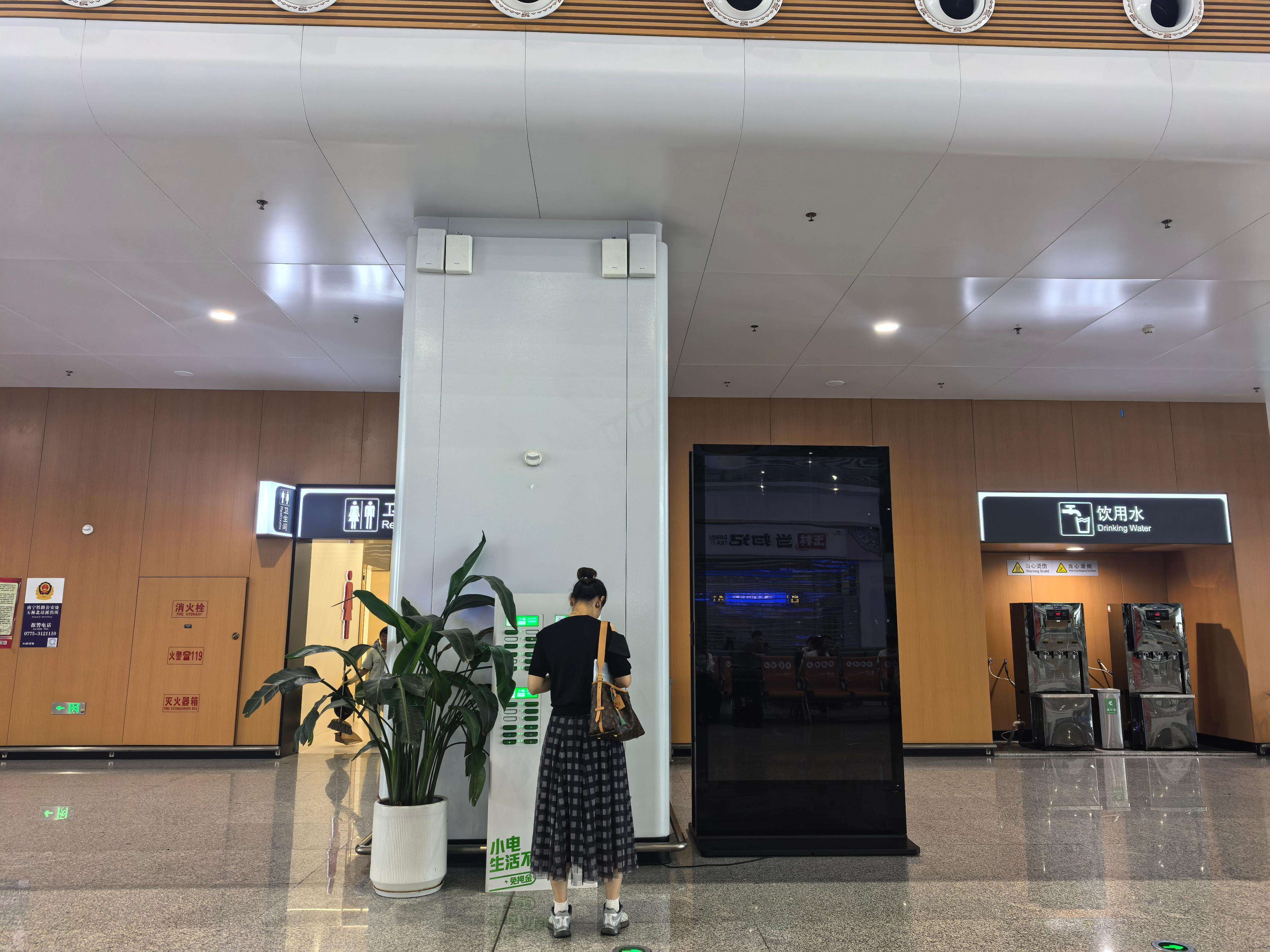 ▲ 刷屏机上刊样:轮播品牌画面,角落放码接流量。
 ▲ 通道灯箱:旅客通行全路径高频触达,适合连续投放。
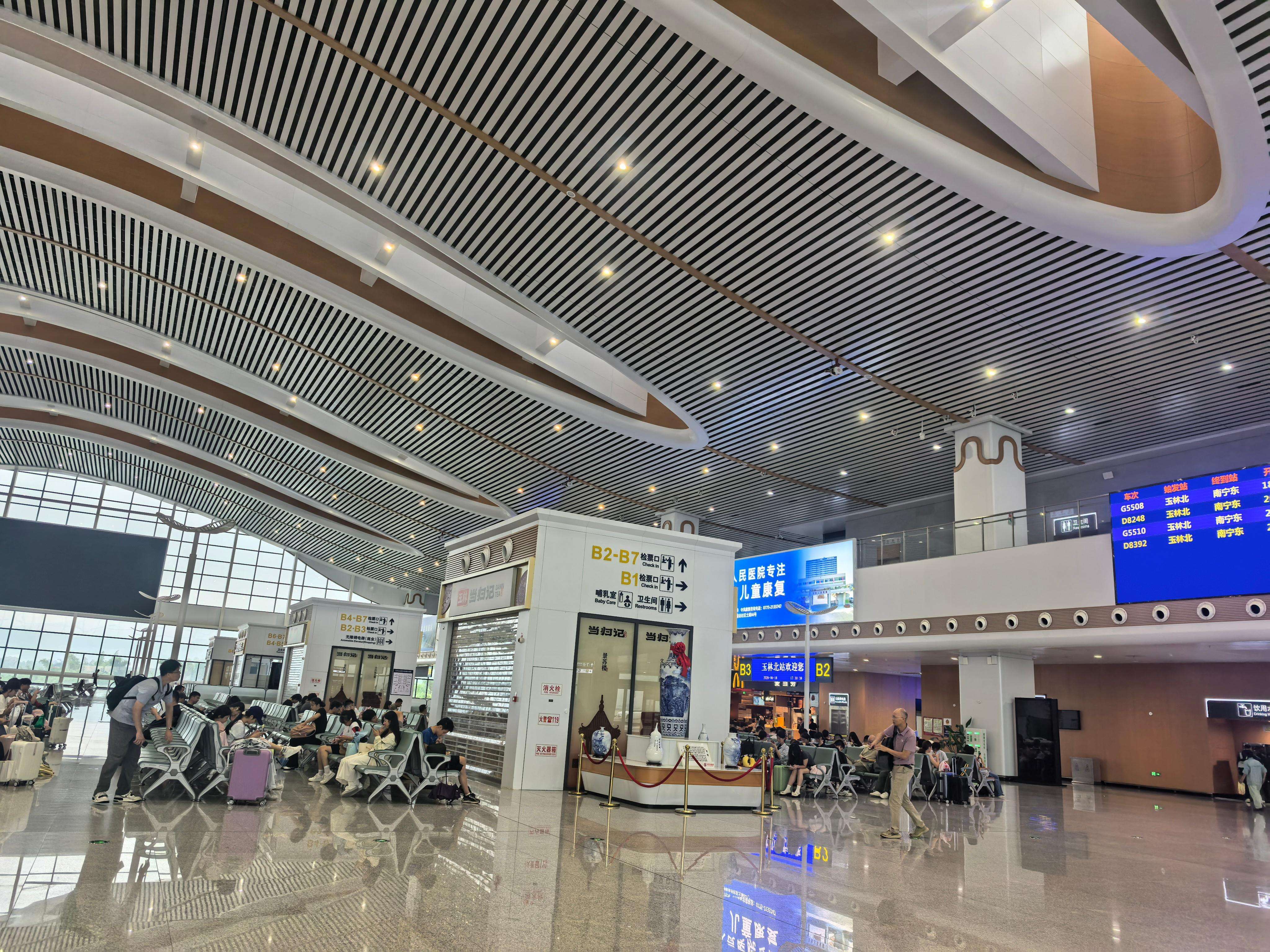 ▲ 灯箱实拍:户外高对比度,大字一句主张最稳。